
Blog
Why Prefab Is the Fastest Path to African Real Estate ROI
|
Industry Insights
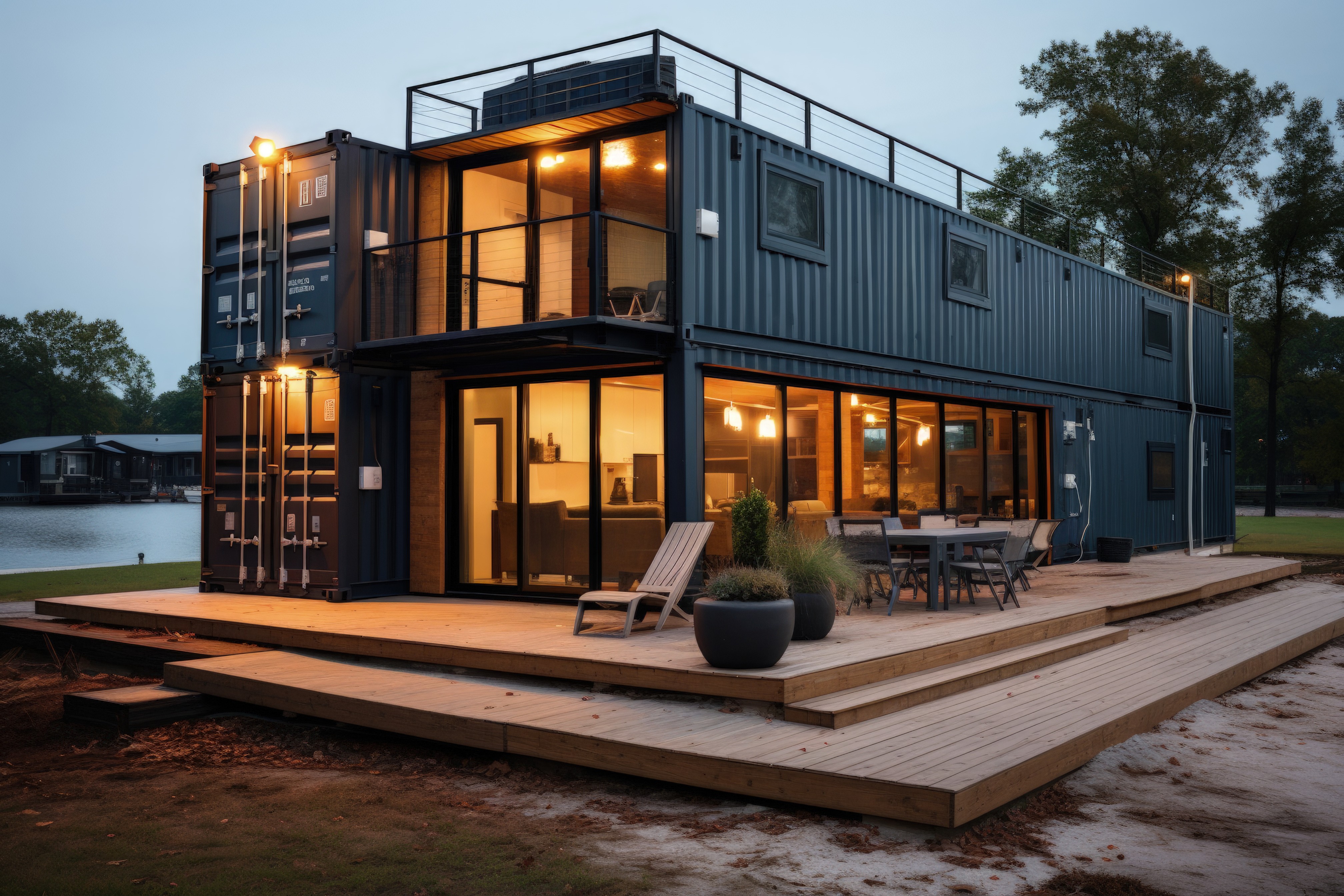
Every month a development stays incomplete is a month of carrying costs eating into ROI. For developers working across Africa's rapidly growing urban markets, the fastest path to revenue isn't cutting corners on quality — it's rethinking how construction happens in the first place. Here's why prefabricated and modular construction is increasingly the default choice for serious developers.
The Math of Holding Cost
Traditional site-built construction in Nigeria typically takes 12–18 months for a residential estate. Prefabricated modular delivery compresses that to 4–6 months. For a developer financing ₦2bn in construction, that's a full year of interest, insurance, and opportunity cost avoided — money that goes straight to the bottom line.
Predictable Budgets, Predictable Returns
Factory-controlled fabrication eliminates the weather delays, labor volatility, and material wastage that make traditional construction budgets so unpredictable. Fewer variation orders. Fewer surprise invoices. Clearer underwriting for investors.
Faster Market Entry
In competitive markets, being first matters. Prefab lets developers lock in demand faster — showing units to buyers while competitors are still pouring foundations. That pricing power alone can justify the modular approach.
Quality That Survives Scrutiny
Factory conditions mean tighter tolerances, consistent material quality, and tested assembly sequences. Every module is inspected before it leaves the factory — unlike site-built work where defects often surface years later.
Bottom Line
Prefabrication isn't a compromise. For developers focused on ROI, it's a better operating model — and the developers who adopt it first will compound their advantage over competitors still running 20th-century playbooks.