Blog
The Future of Construction: 2026 Trends Shaping African Real Estate
|
Build Intelligence
Construction is finally catching up with the rest of the economy. After decades of stagnant productivity, a handful of shifts are redefining how buildings get designed, financed, and delivered across Africa. Here are the five trends every serious developer should be watching in 2026.
1. Modular Goes Mainstream
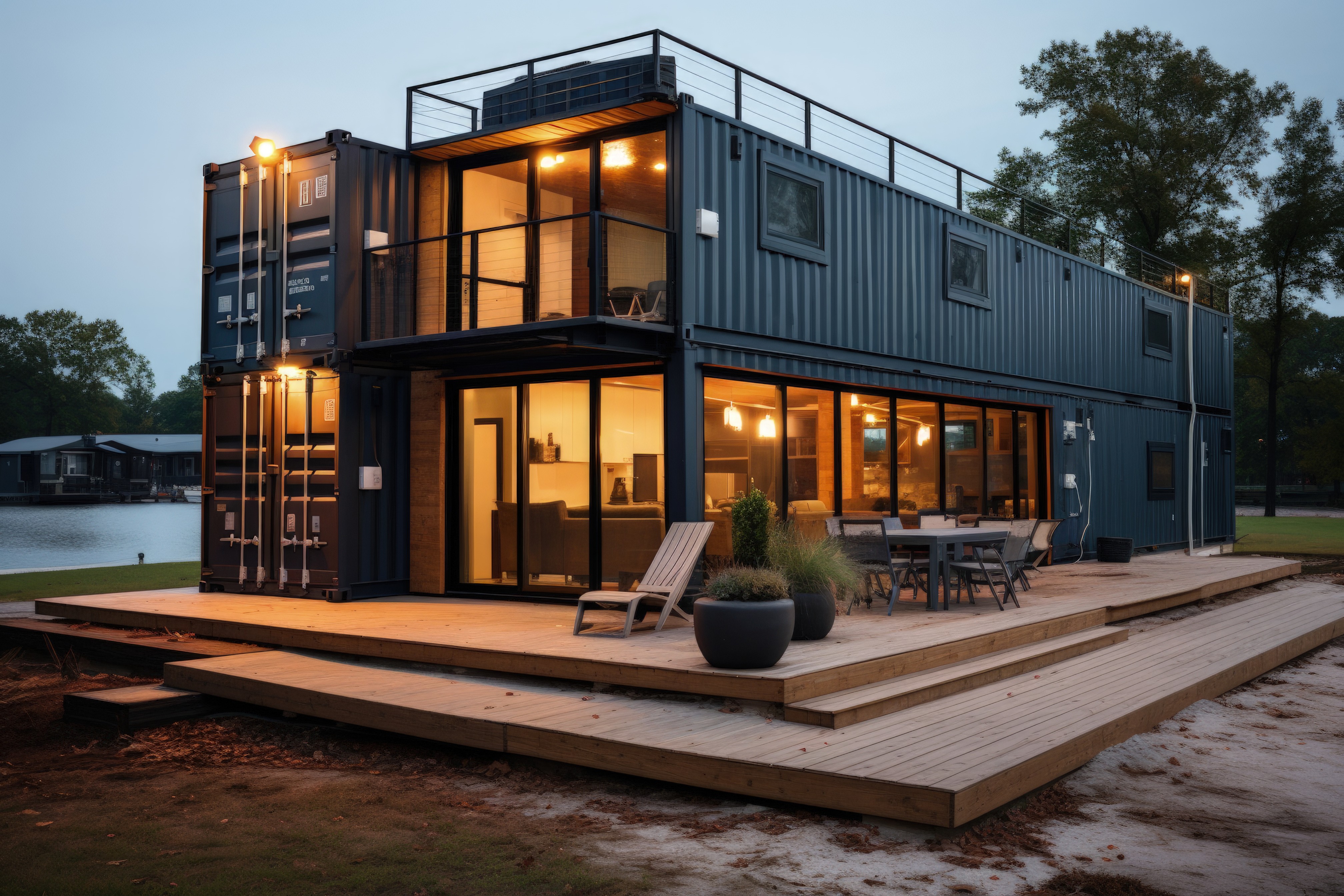
What used to be a niche approach for emergency housing is now delivering premium residential estates and commercial complexes. As factory capacity scales across Nigeria, modular is becoming the default — not the alternative.
2. Speed Becomes a Financial Metric
Lenders and investors increasingly measure "time-to-revenue" alongside traditional ROI metrics. Developers who can credibly deliver in 4–6 months command better financing terms than those planning 18-month builds.
3. Sustainability Isn't Optional
Lower emissions, less material waste, and energy-efficient modules are no longer premium features — they're regulatory and market expectations. Prefab's controlled environment makes it the easiest path to green-certified builds.
4. Local Climate Engineering
Generic templates don't work. The buildings that last are those engineered for specific climates — Nigerian heat, humidity, salt air in coastal cities. Expect rising demand for locally-engineered modular systems.
5. Developer-Fabricator Partnerships
Smart developers are locking in long-term relationships with modular fabricators — treating them as strategic partners rather than one-off suppliers. This compounds advantages over time through better pricing, faster turnarounds, and repeatable quality.
Final Thought
The construction industry isn't standing still. Developers who adapt to these shifts will outcompete those who don't — and the gap will only widen through the rest of the decade.