
Blog
The Developer's Guide to Modular Construction in Nigeria
|
Build Intelligence
Modular construction is rapidly becoming the default delivery model for serious residential, commercial, and mixed-use developments across Nigeria. This guide covers what every developer and investor needs to understand before their next project — from feasibility to handover.
What Is Modular Construction?
Modular construction is a method where building components (modules) are engineered and fabricated in a factory, then transported to site for assembly. Unlike traditional site-built construction, 80–90% of the work happens in a controlled factory environment.
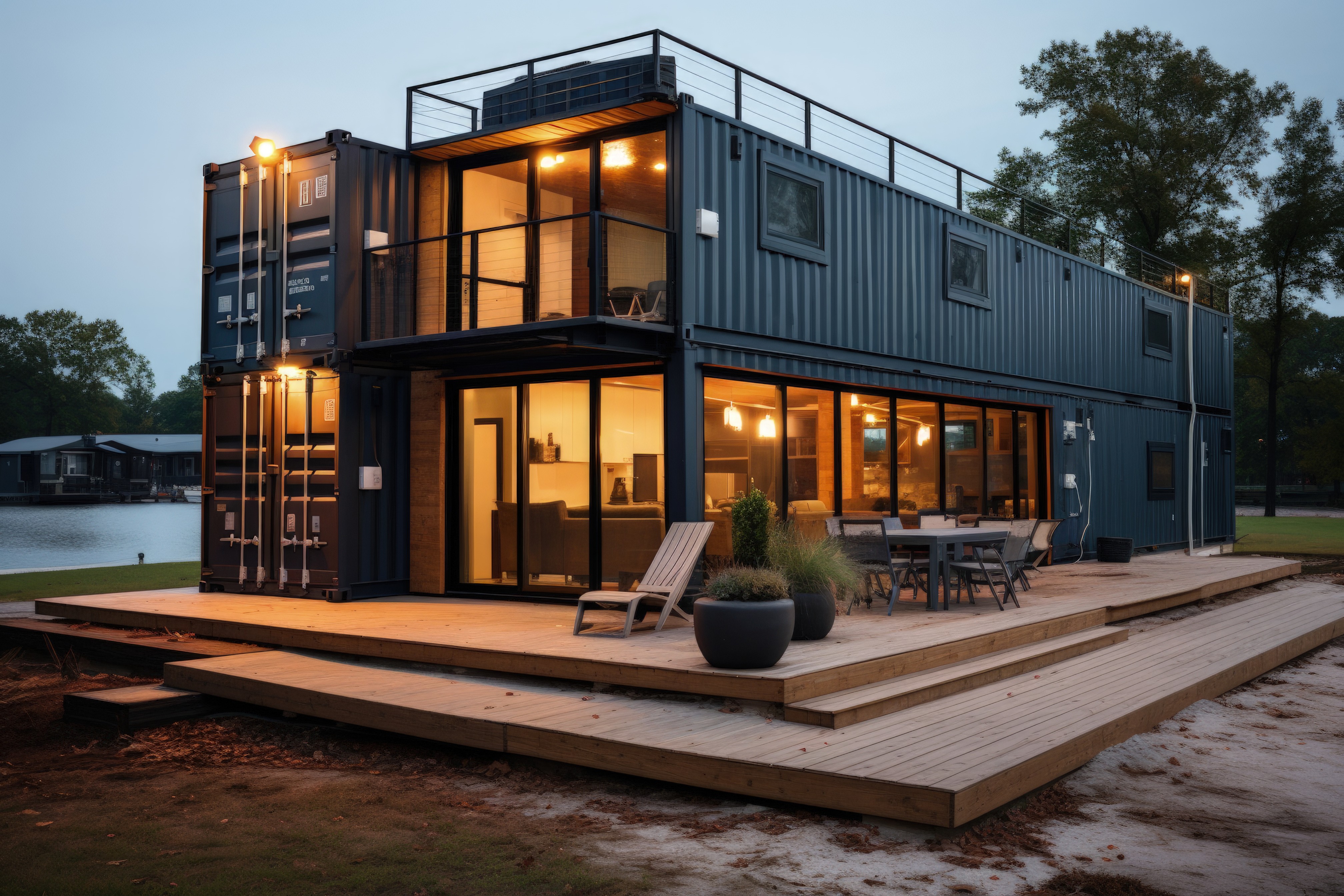
There are two primary categories: container-based builds (using modified shipping containers as the structural unit) and steel-frame modular builds (purpose-engineered modules). Both deliver the core advantages of speed, predictability, and quality — with different trade-offs for specific use cases.
Why Modular Matters for African Developers
Africa's urban growth is outpacing what traditional construction can deliver. Nigeria alone needs millions of additional housing units over the next decade, plus commercial and institutional space to support growing economies. Traditional approaches simply can't scale fast enough. Modular is the answer.
Key Advantages
Speed: 50–70% faster than site-built construction
Predictable cost: Factory conditions mean fewer variations and surprises
Quality: Tighter tolerances, better QA, consistent materials
Sustainability: Less waste, lower emissions, energy-efficient by design
Scalability: Single unit to 100+ unit estates without redesign
Key Considerations
Site Suitability
Not every site is equally suited for modular delivery. Access roads, crane positioning, utility infrastructure, and foundation conditions all matter. A good fabricator will survey your site before finalizing the design.
Climate Engineering
Nigerian climate — heat, humidity, monsoon conditions in some regions, salt air in coastal cities — demands specific engineering. Generic imported modules often fail. Work with fabricators who engineer specifically for local conditions.
Foundation Work Still Happens On-Site
The modules arrive ready, but they still need foundations. Good modular planning runs site preparation in parallel with factory fabrication, so when modules arrive they can be installed immediately.
Financing Considerations
Some traditional lenders are still learning how to underwrite modular projects. Work with lenders who understand the delivery model — they typically offer better terms given the reduced timeline risk.
Typical Project Timeline
Weeks 0–2: Brief, site analysis, modular concept
Weeks 2–4: Detailed design, material selection, cost finalization
Weeks 4–10: Factory fabrication (running parallel with site prep)
Weeks 10–14: Delivery, assembly, finishing
Weeks 14–16: Commissioning and handover
Choosing a Fabrication Partner
Not all fabricators are equal. Evaluate them on: track record with similar projects, fabrication capacity, engineering capability for your specific use case, quality control processes, installation experience, and after-handover support. Visit the factory if you can — it tells you more than any brochure.
Final Thought
Modular construction isn't a silver bullet, but for most developers, it's a better operating model than the traditional alternative. Understand the method, choose the right partner, and it compounds advantages across every project you deliver.